Here is a step-by-step look at how the B&L Roofing crew tackled this massive project, transforming a heavy, aging roof into a sleek, modern commercial roofing system.
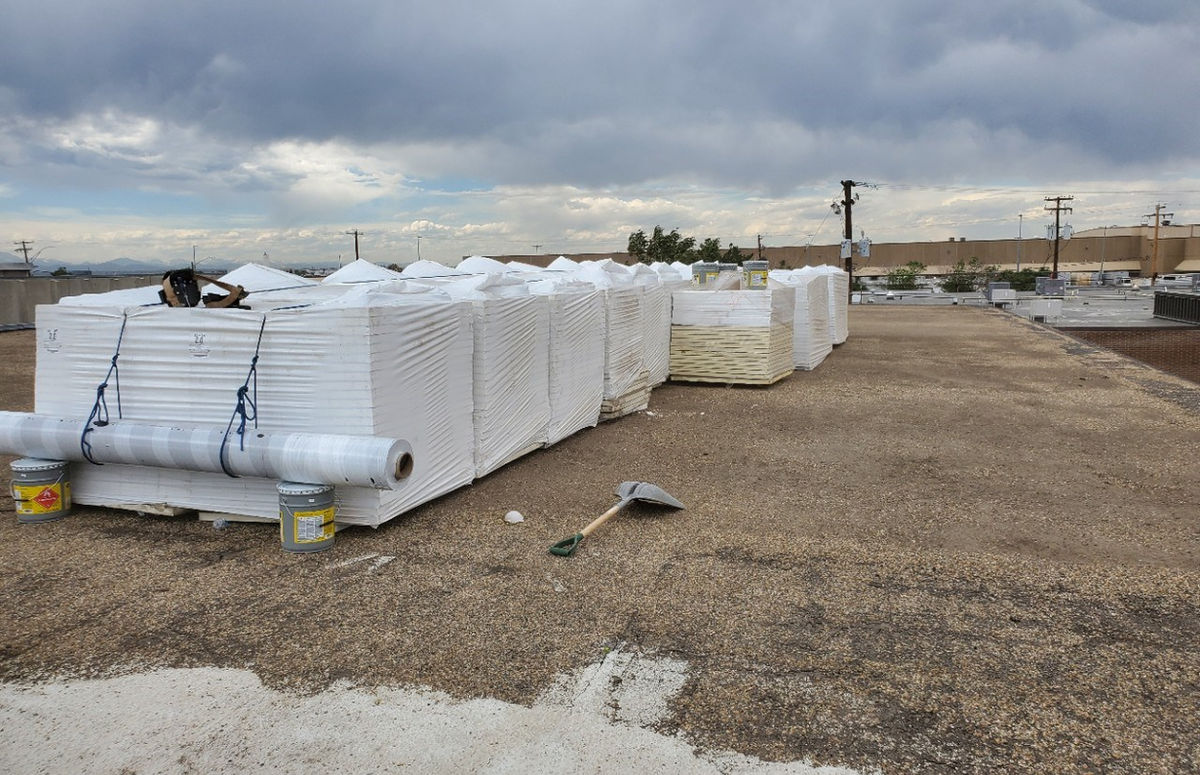
Phase 1: Material Staging and Preparation
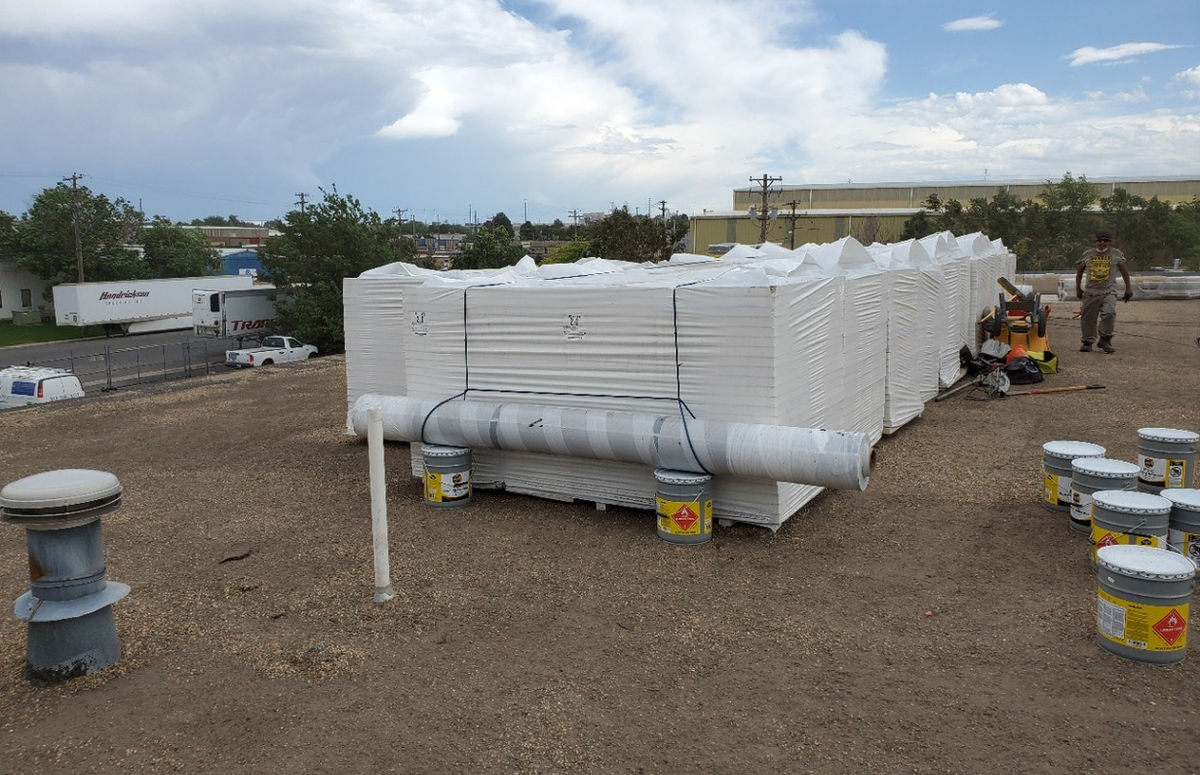
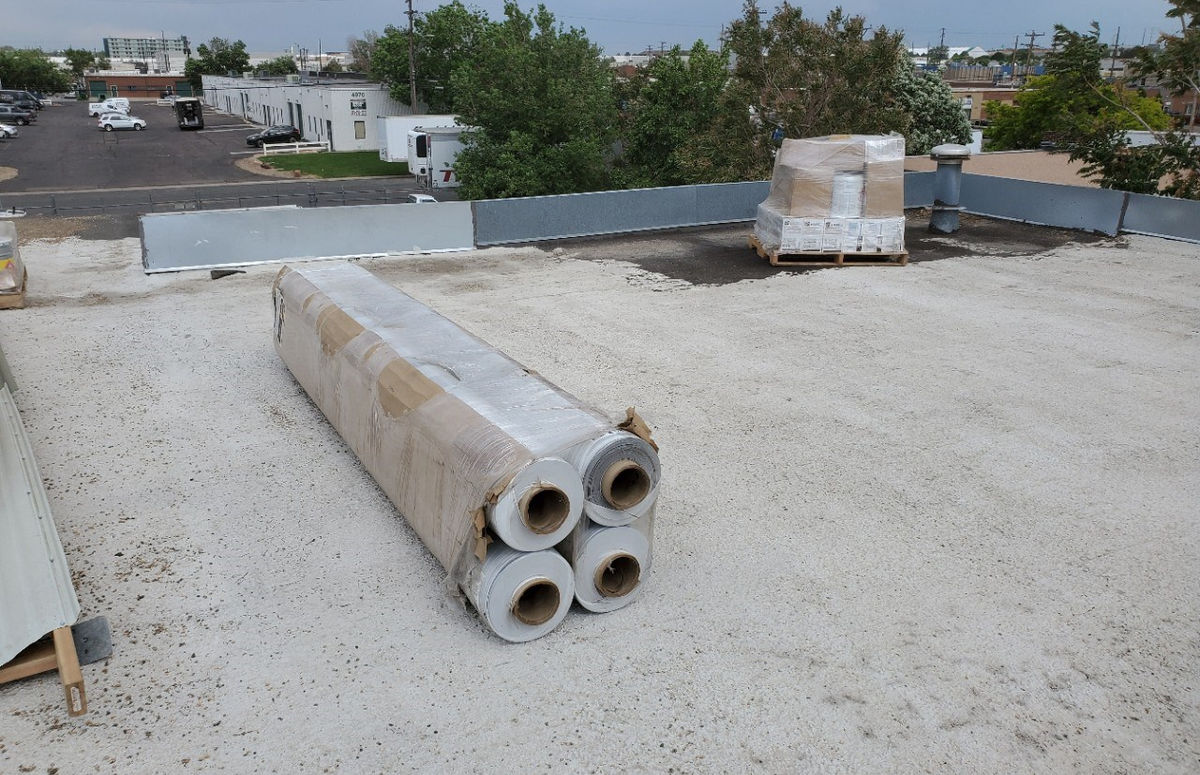
Before a single rock of gravel was removed, the crew had to coordinate a massive delivery of materials. Properly staging insulation boards, adhesive, and heavy TPO rolls is critical for a smooth workflow on a roof of this size.
Phase 2: Tear-Off and Debris Management
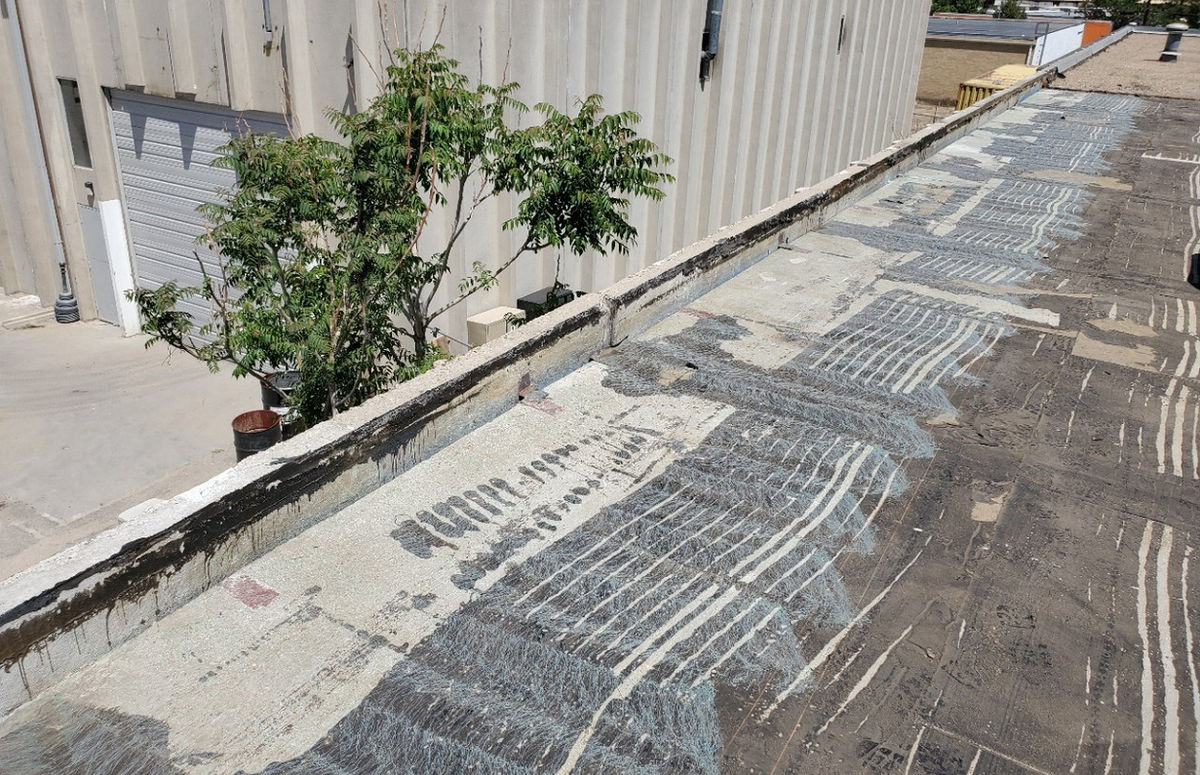
The most labor-intensive part of the job is removing the heavy, stubborn tar and gravel system. The crew had to break down the aggregate layer and scrape the underlying substrate to ensure the new insulation boards would lay perfectly flat.
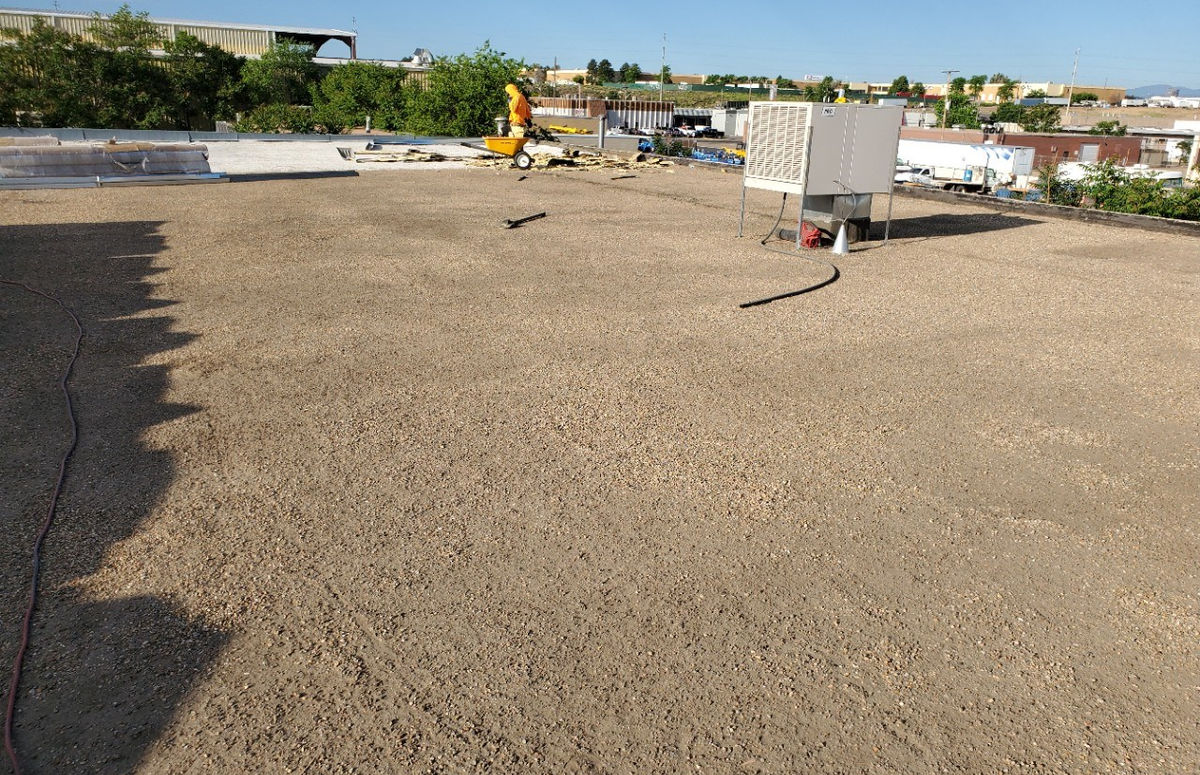
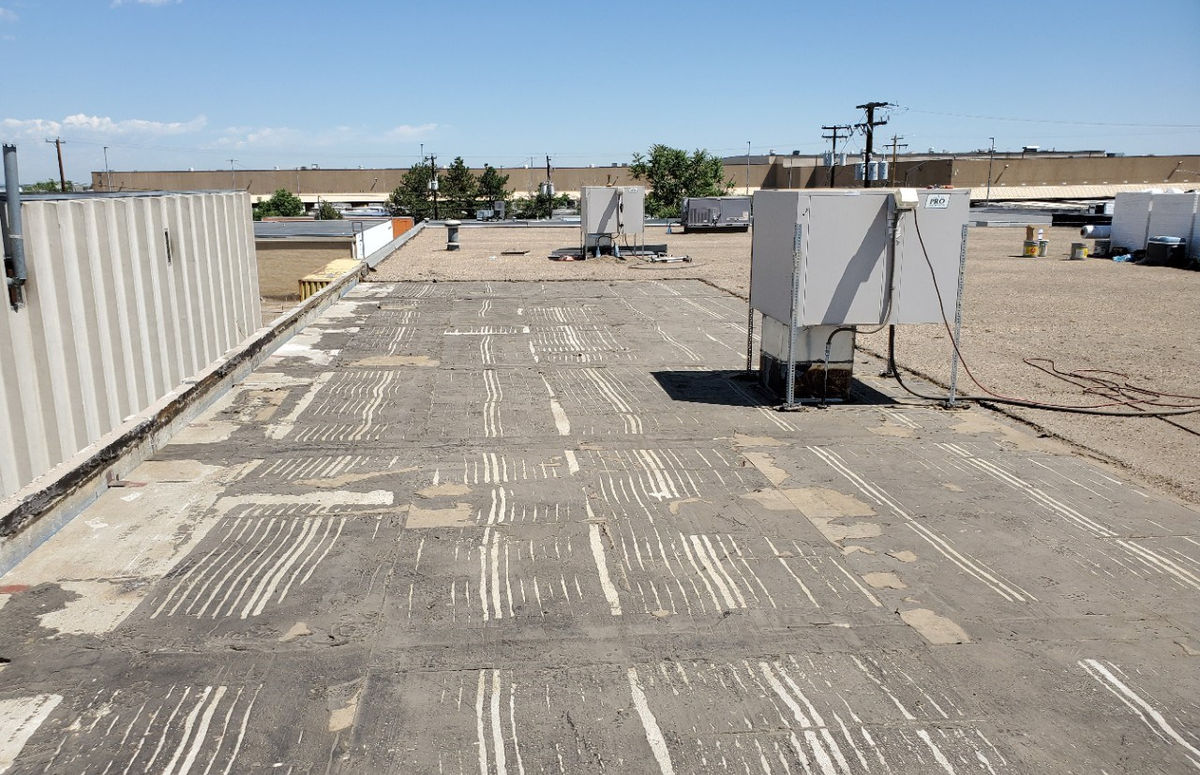
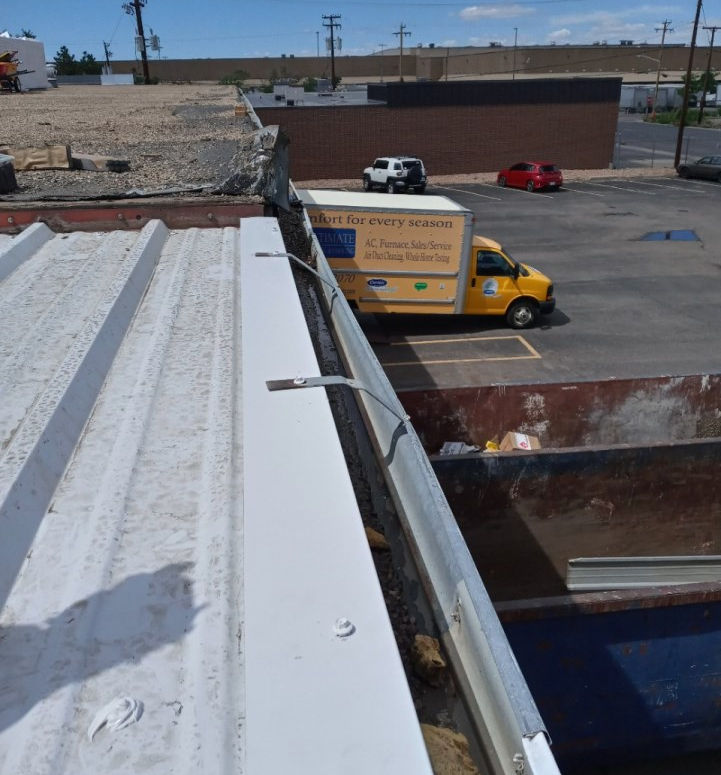
To keep the active commercial site clean, a strategic debris management system was set up. With Ultimate Heating operating below, minimizing disruption was key.
Phase 3: Substrate and Insulation Board Layout
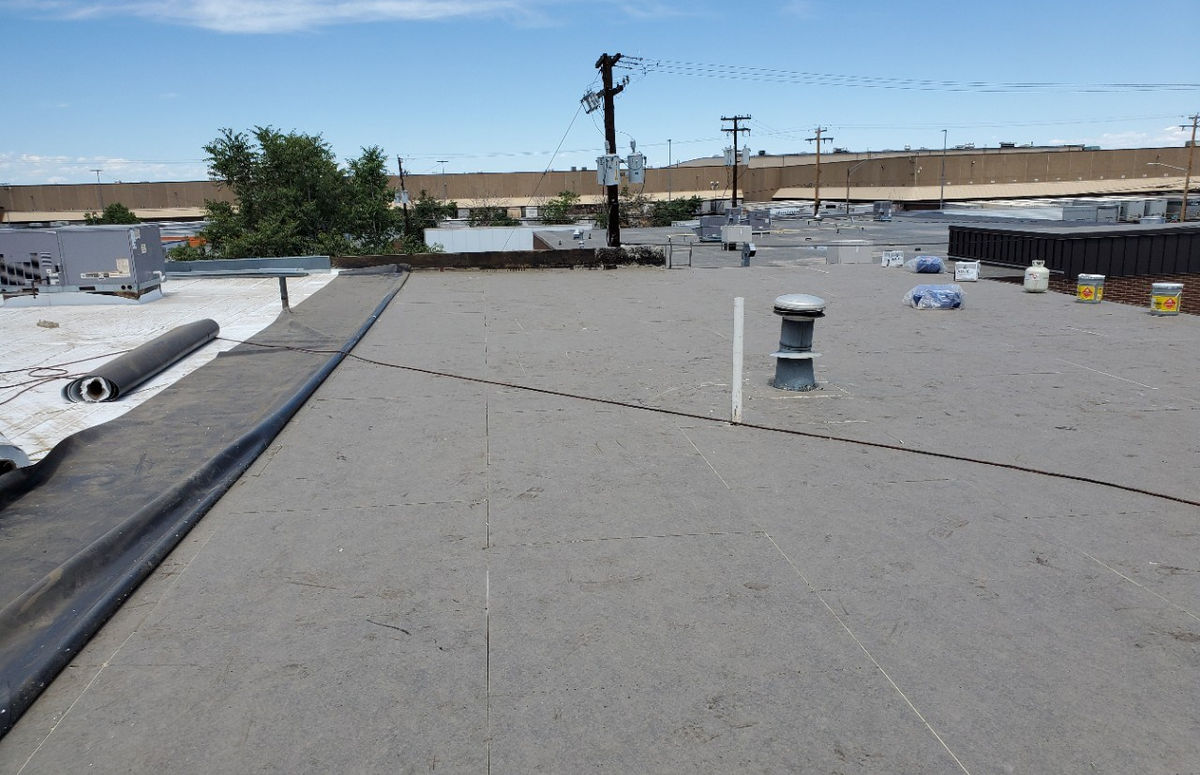
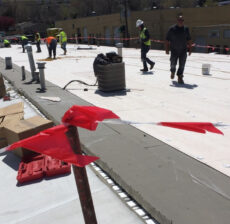
With the tear-off complete in sections, the crew immediately moved to lay down the new foundation. Flat, uniform grey insulation/cover boards were installed directly over the old scraped deck to provide thermal resistance and a perfectly smooth base for the TPO membrane.
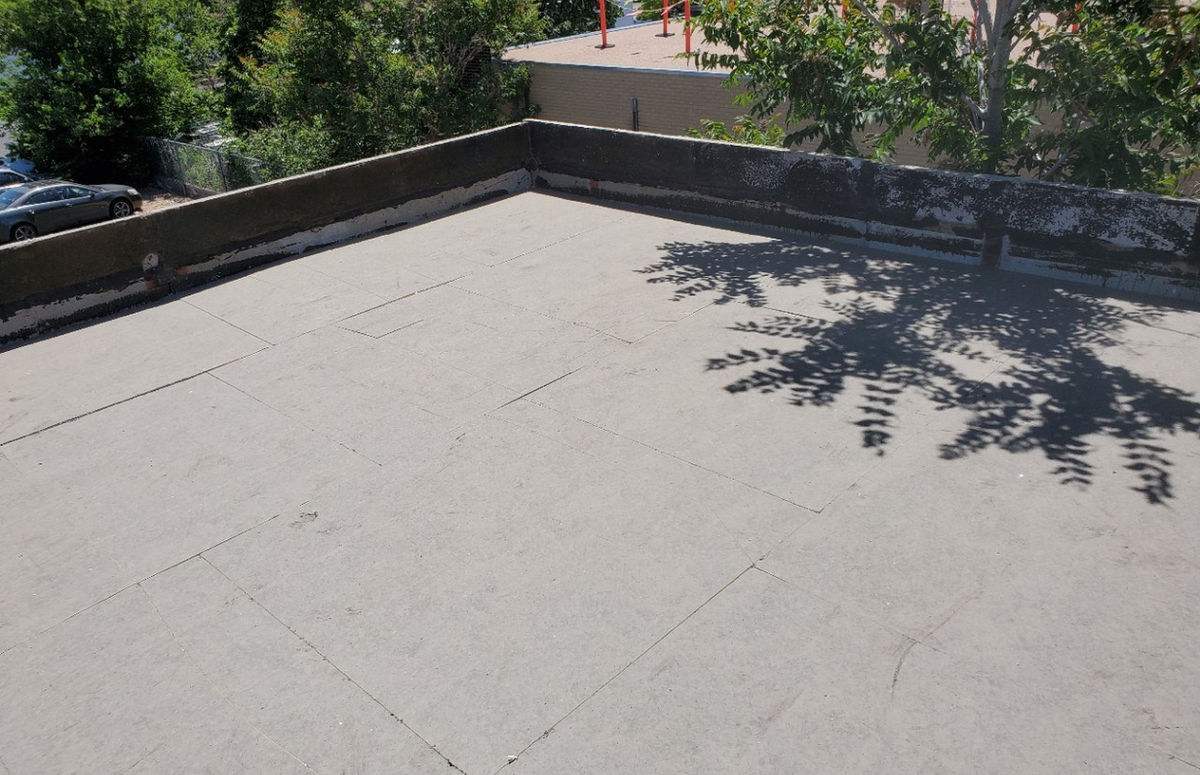
Phase 4: TPO Membrane Application and Adhesion
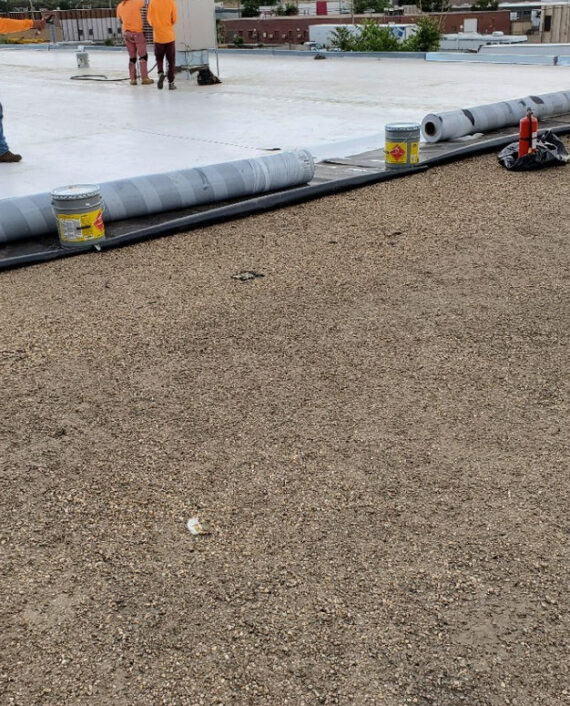
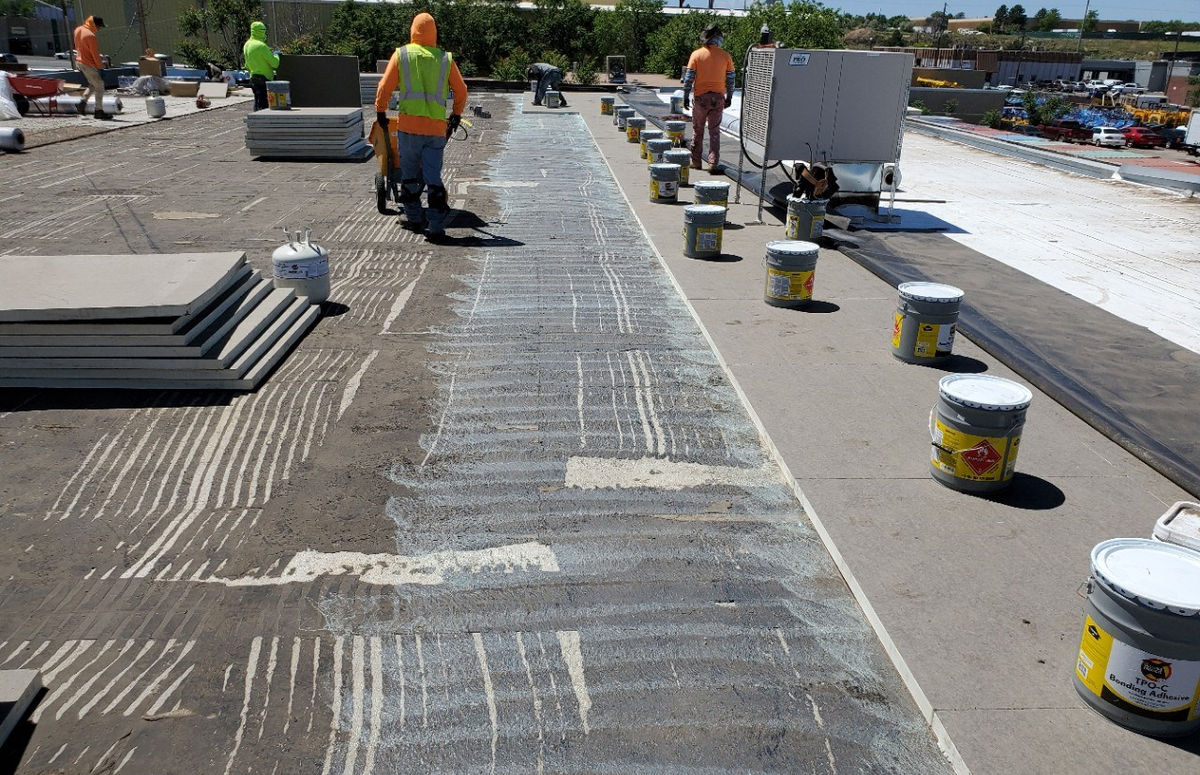
Once the boards were locked in, it was time to unroll the TPO. The crew utilized a fully adhered system, methodically applying specialized bonding adhesive to marry the tough, flexible membrane directly to the substrate beneath. The visual transformation during this phase is always the most dramatic.
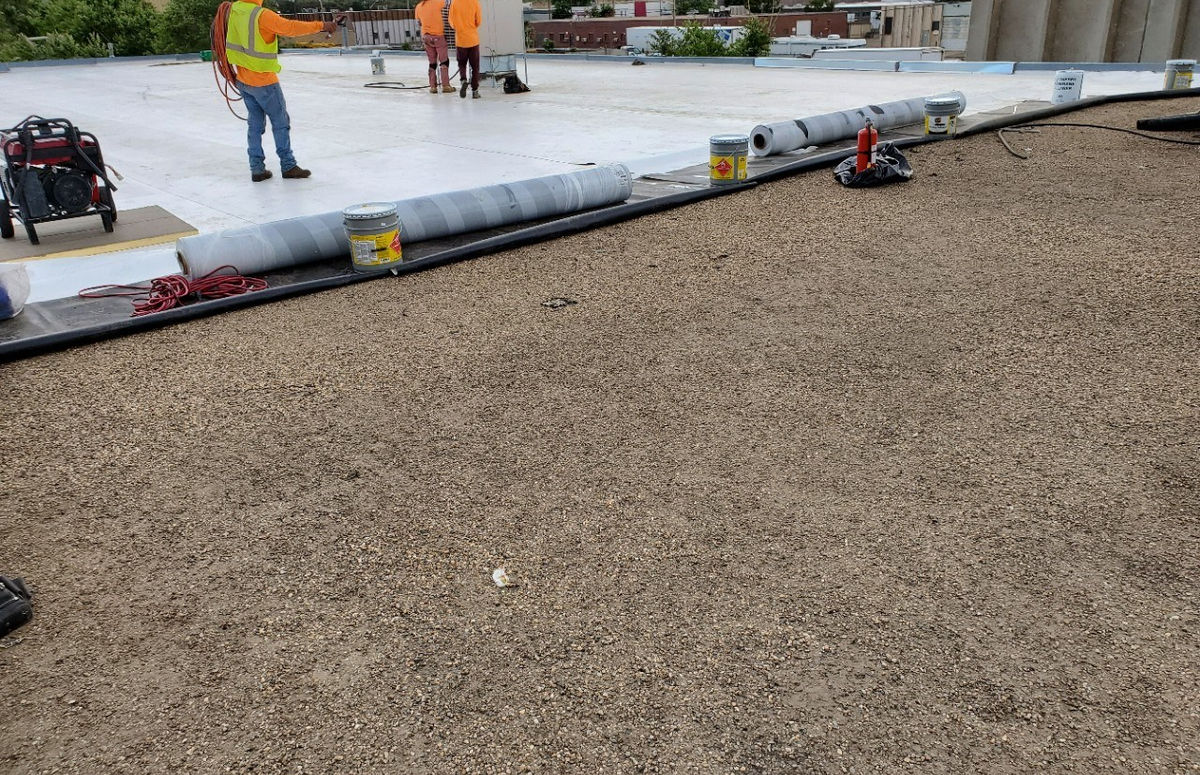
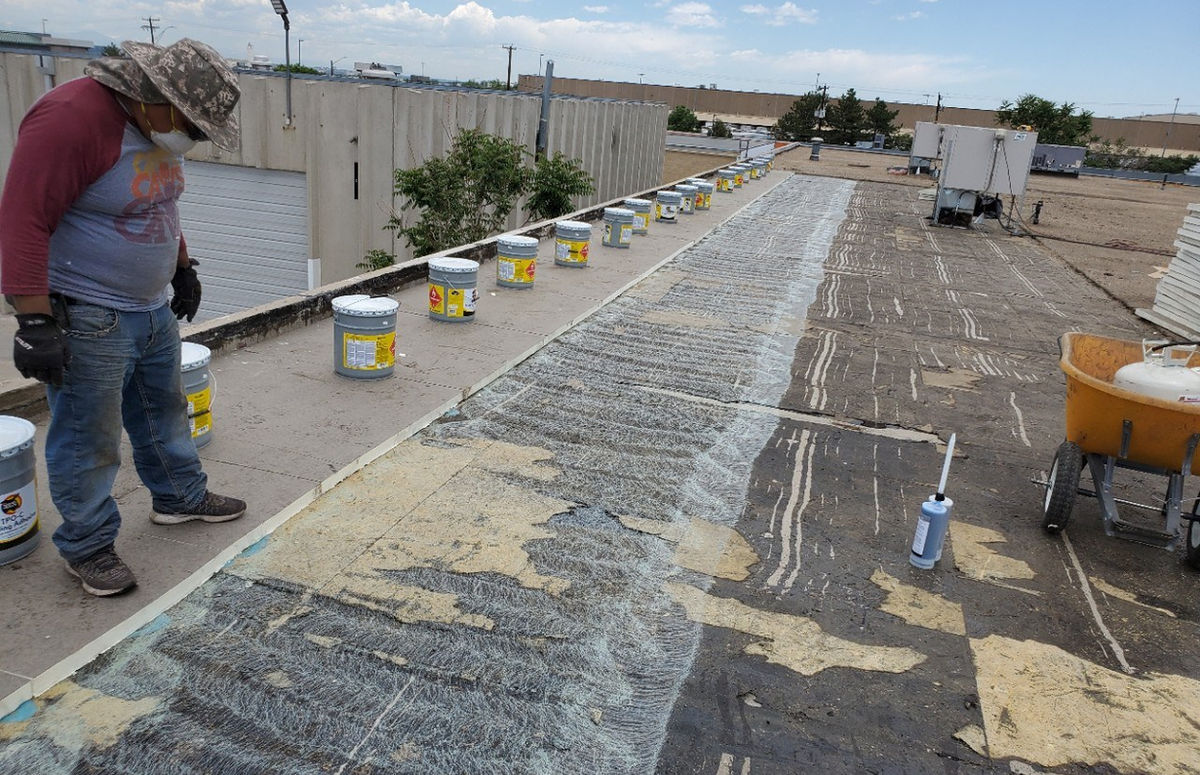
Phase 5: Final Detailing and Finished Product
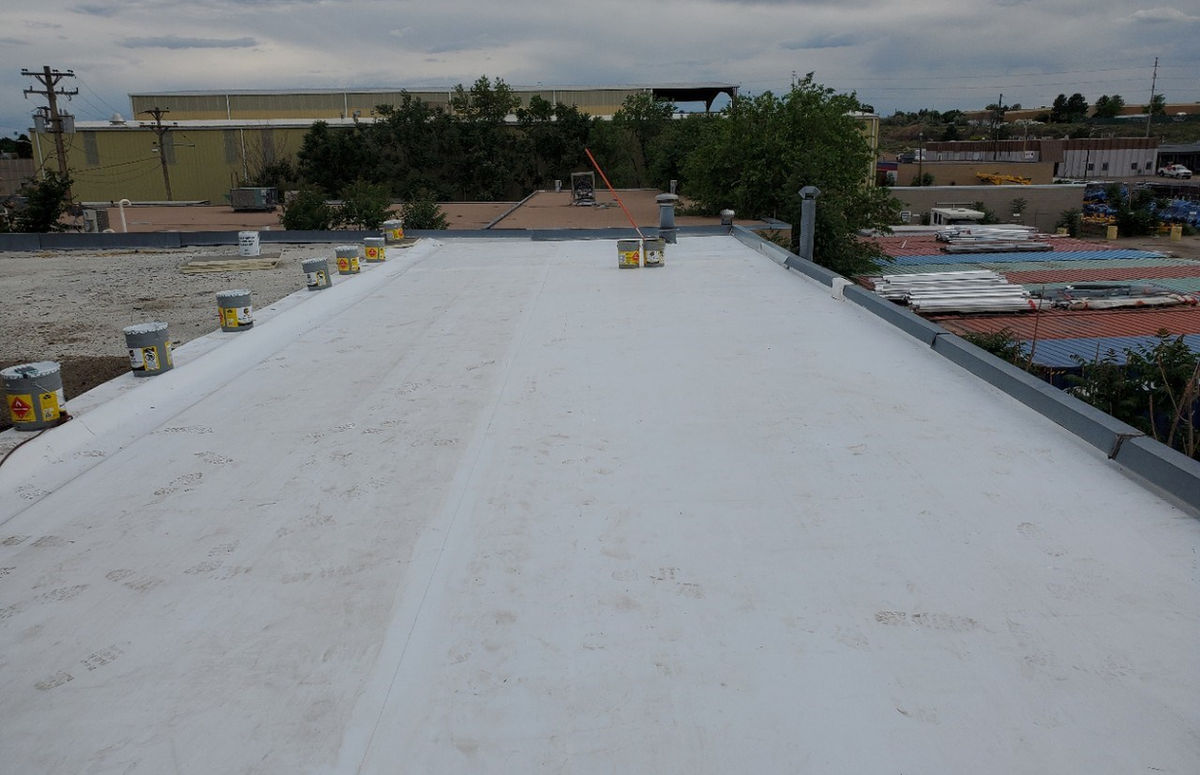
A commercial roof is only as good as its edges and penetrations. B&L Roofing finished the Ultimate Heating facility by installing crisp metal edge flashing, properly booting all roof vents, and meticulously heat-welding every seam to guarantee a watertight seal.
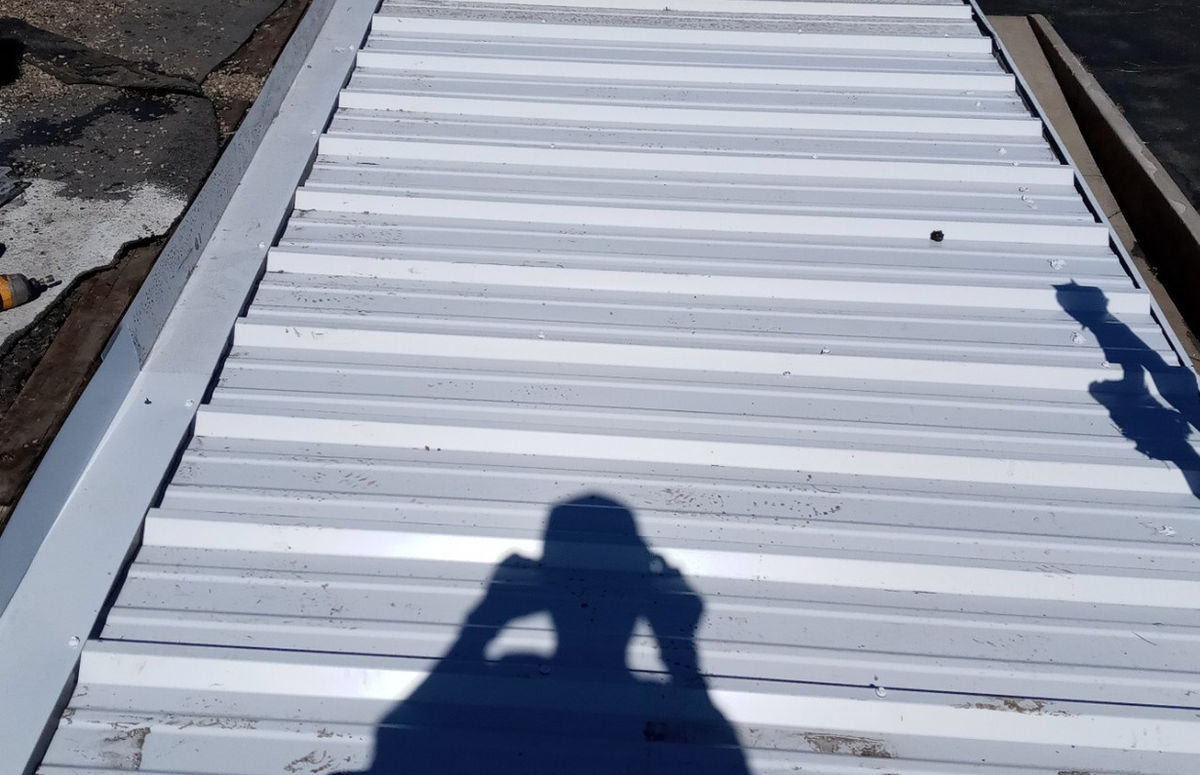
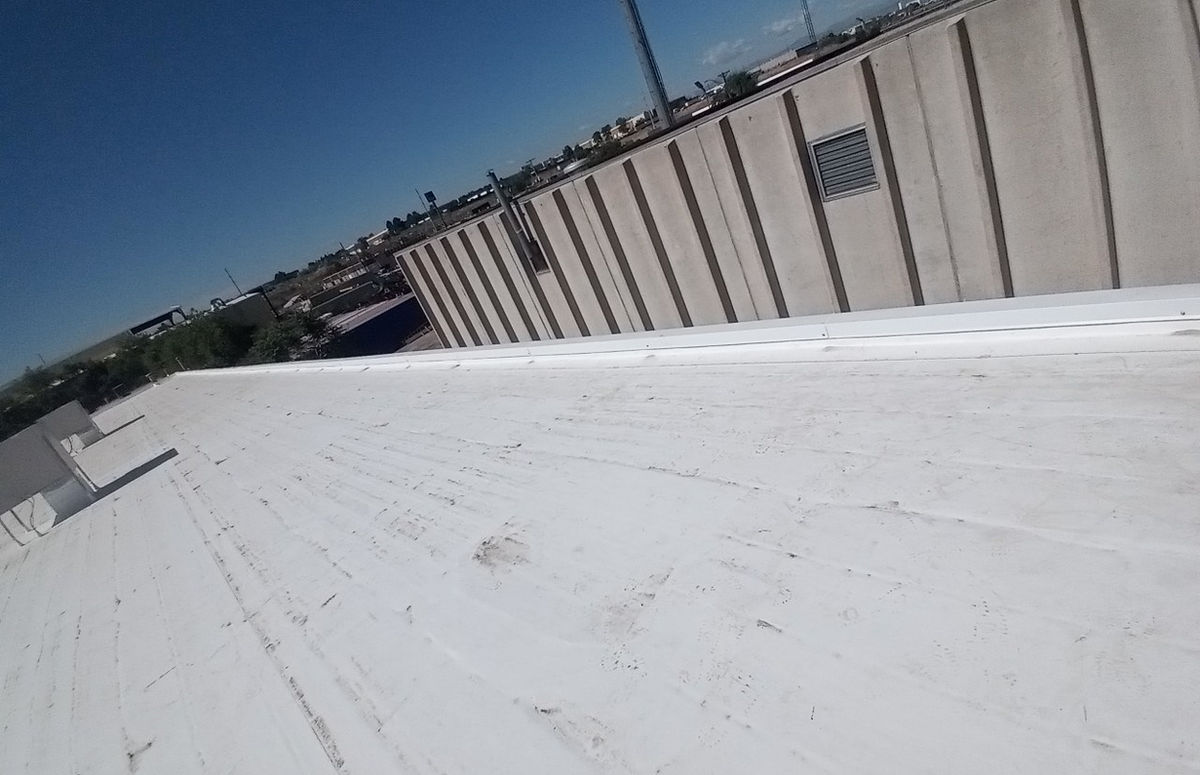
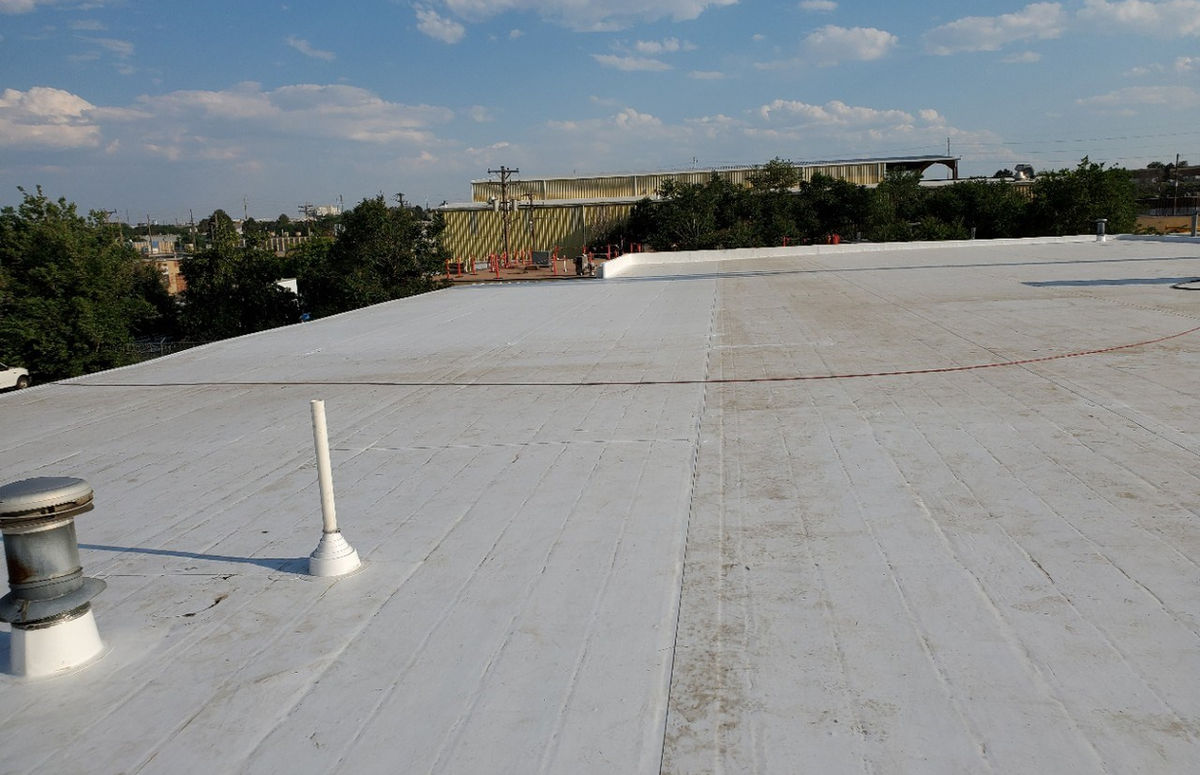
Job Complete. Ultimate Heating is now protected by a premium TPO roof that not only secures the building against harsh weather but also drastically reduces cooling costs thanks to its highly reflective surface.
Related Project
This project required a dual-threat approach: installing a highly efficient, weather-resistant flat roofing system,…
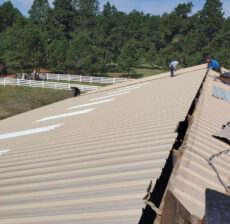
The owners called in B&L Roofing for a full tear-off and replacement. We needed…
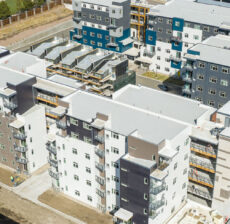
Here is the step-by-step story of how the B&L Roofing team turned a complex…
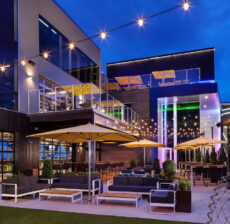
Here is the step-by-step story of how the project came together. Phase 1: Site…
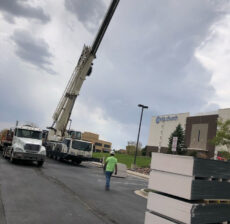
B&L Roofing stepped onto the scene to execute a comprehensive, multi-tiered roof replacement. Below…
Here is a behind-the-scenes look at how our expert team meticulously rebuilt this roof…